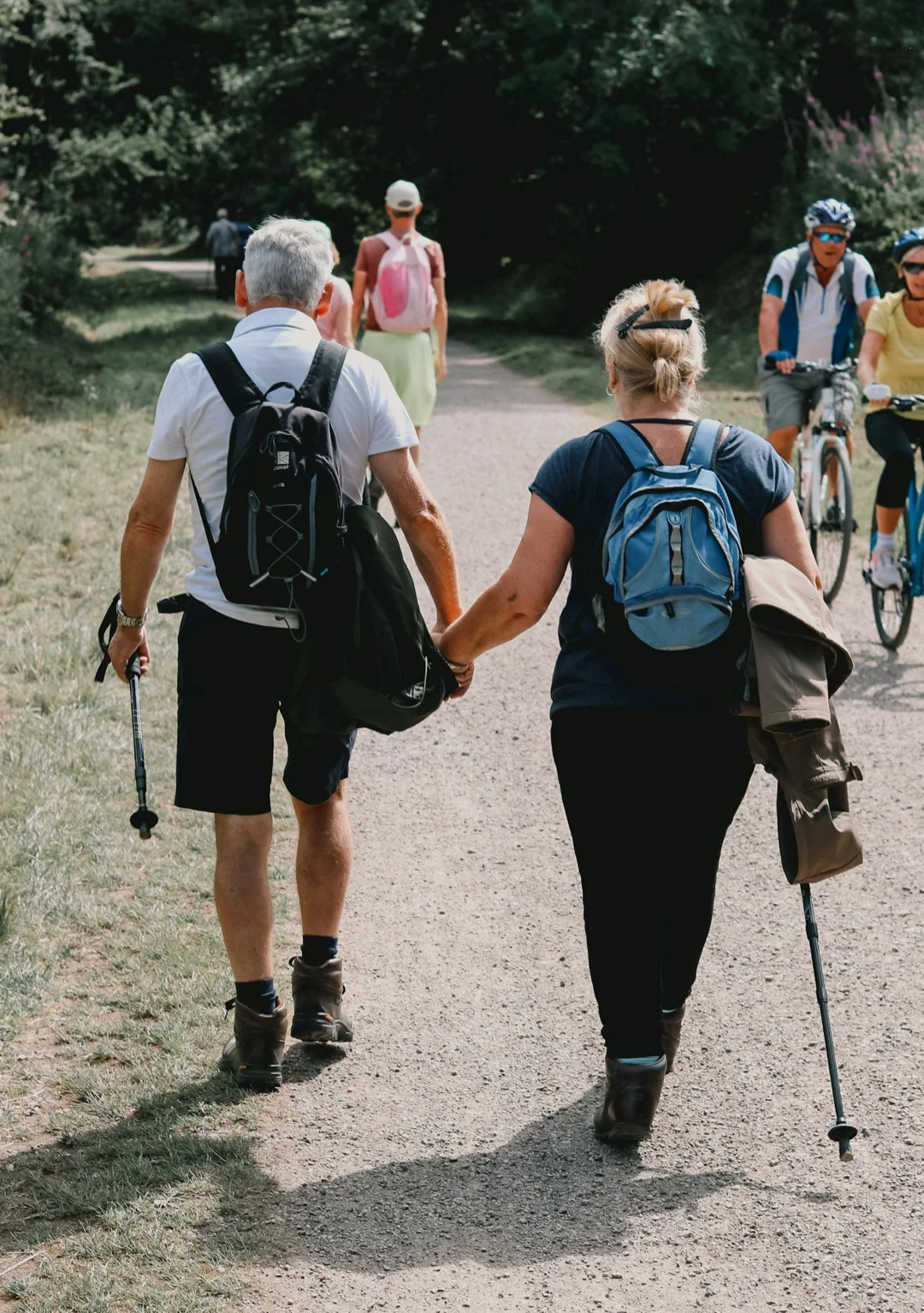
A sports return-to-play progression should be guided by how you move, how your symptoms respond, and what your sport demands, not by a fixed number of weeks. A gradual plan helps you rebuild tolerance from everyday activity to training and competition while allowing adjustments when your body is not ready for the next step.
The phrase “return to sport” is increasingly used for this process. It applies to recreational athletes, competitive players, active adults, and young athletes recovering from many types of sports injuries. Concussion recovery requires additional precautions and should follow specific medical and public health guidance.
Quick summary

- Progress from normal daily activity through light exercise, sport-specific movement, training, practice, and competition.
- Before increasing activity, consider symptoms, movement quality, strength, balance, confidence, and your response during and after exercise.
- There is no universal recovery calendar. The right progression depends on the injury, sport, training load, goals, and current function.
- Concussion return-to-sport guidance is different. Stages should be gradual, monitored, and supported by appropriate medical advice.
- If you are unsure whether you are ready, an assessment can help identify practical next steps.
What does return-to-play progression mean?
Return-to-play progression is a structured increase in physical and sport-specific demands after an injury. The aim is not simply to make a movement feel comfortable in a clinic. It is to determine whether you can tolerate the speed, strength, balance, repetition, decision-making, and workload required by your activity.
A useful plan begins with the injury history and current limitations. It should also consider your sport, training schedule, goals, and the way symptoms change with activity. Sports injury physiotherapy may combine movement and strength assessment with education, activity modification, hands-on care, and sport-specific planning.
Progression stages are a planning framework, not a diagnosis or a promise of readiness. Two people with similar symptoms may need different plans because their sports, injury mechanisms, training loads, or functional demands are different.
A general return-to-sport progression

The stages below provide a practical way to think about increasing activity. They are not a prescription, and not every athlete needs the same sequence. A physiotherapist or other appropriate healthcare professional can help determine which steps are suitable for your situation.
| Stage | What it may involve | What it helps assess |
|---|---|---|
| 1. Daily activity | Walking, school, work, childcare, and normal routines within your current tolerance | Whether symptoms and movement are manageable during everyday demands |
| 2. Light exercise | Low-intensity cardiovascular activity or controlled strengthening | How your body responds to a modest increase in load |
| 3. Sport-specific movement | Running, changing direction, jumping, or controlled stick work | Whether technique, coordination, balance, and confidence remain consistent |
| 4. Controlled drills | Non-contact or predictable drills with gradually increasing speed, complexity, or repetition | How you manage realistic sport demands without full competitive pressure |
| 5. Full training | More complete practice, including greater workload and sport-specific decision-making | Whether you can tolerate training and recover appropriately afterwards |
| 6. Competition | Games, races, or events, potentially with a planned workload at first | Whether participation is appropriate and how your body responds |
Moving from one stage to the next should depend on your response, not simply on completing a certain number of days. A plan may need to repeat a stage, reduce the workload, or return to an earlier activity if symptoms or movement quality deteriorate.
How to decide when to progress
Before increasing activity, review what happened during the previous session and later that day or the following day. A temporary challenge may be expected in some rehabilitation plans, but increasing symptoms, altered movement, or reduced function should not be ignored.
- Symptoms: Are pain, swelling, dizziness, or other symptoms stable, improving, or becoming more noticeable?
- Movement quality: Can you perform the task without compensating, guarding, or losing control?
- Strength and balance: Can you produce and control force in ways that resemble your sport?
- Tolerance: Can you handle the activity without a disproportionate response afterwards?
- Confidence: Do you feel able to perform the task, or are you avoiding it because it feels unsafe?
- Workload: Is the increase in duration, intensity, speed, contact, or repetition reasonable for your current capacity?
Before increasing training, athletes should look for progressive return-to-sport planning that can be adjusted according to symptoms, performance, and response to load. A clear plan should explain what to monitor and how progress will be reviewed rather than relying on a fixed return date.
Why the sport changes the progression
A runner may need to rebuild tolerance to repeated impact, pace changes, hills, and distance. A hockey player may need skating speed, stops and starts, balance, stick handling, contact preparation, and the ability to perform while fatigued. These demands cannot be fully represented by a comfortable walk or a single strength exercise.
Court sports often require jumping, landing, cutting, rapid deceleration, and reacting to another player. A young athlete may also need a plan that considers school, growth, confidence, communication with parents, and the demands of their team schedule.
These examples are illustrative rather than a checklist for a specific injury. The important question is whether the progression gradually exposes you to the movements and workload you will actually face.
How concussion return-to-sport guidance differs
Concussion recovery should not be treated like a routine sprain or strain. Canadian public health guidance recommends recognizing the concussion, removing the athlete from play, seeking appropriate referral, and following a gradual return-to-school and return-to-sport strategy. See the Canadian concussion return-to-sport guidance for the broader framework.
Alberta guidance describes a stepwise sequence that includes limited activity, light aerobic activity, sport-specific exercise, non-contact training drills, full-contact practice, and return to play. The athlete should be symptom-free for 24 hours at the current level before moving forward. Alberta’s return-to-play information explains these stages and the need for gradual progression.
For children, Alberta guidance states that each step in the return-to-school and return-to-sport process should take at least 24 hours. If symptoms worsen significantly or persist, activity should be reduced or returned to the previous step. The Alberta concussion after-care guidance provides additional detail for families.
Contact, collision, or fall-risk activities require particular caution. Do not use a general online progression as a substitute for medical assessment, especially after a suspected concussion or when symptoms are severe, worsening, or unusual.
When to pause, progress, or seek help
| Situation | Practical response |
|---|---|
| Symptoms increase during an activity or remain worse afterwards | Pause or reduce the activity and review the response before progressing. |
| Movement becomes guarded, uneven, or poorly controlled | Hold the current level and discuss whether the task or workload needs modification. |
| You complete the activity with stable symptoms and controlled movement | Discuss whether a gradual increase is reasonable rather than advancing automatically. |
| You are uncertain how much training or contact is appropriate | Seek an assessment that considers your injury, sport, current function, and goals. |
| You have severe or rapidly worsening symptoms, new weakness or numbness, or another emergency concern | Seek urgent medical attention rather than continuing rehabilitation. |
What to ask about sports injury rehabilitation
Ask questions that show how the plan will be tailored and reviewed:
- How will you assess the injury, movement, strength, and activity limitations?
- Which parts of my sport should the progression address?
- What changes in symptoms or movement should make me hold or reduce activity?
- How will we increase speed, repetition, intensity, contact, or training volume?
- How will progress be reviewed if my response is different than expected?
- What can I do between visits, and how should I track my response?
Be cautious of any plan that promises a guaranteed return date without considering your injury and sport. Timelines vary between athletes and injuries, so plans should be reviewed and adjusted according to response.
What to bring to a return-to-sport assessment
Bring or write down when and how the injury happened, your current symptoms, aggravating activities, movements you cannot perform comfortably, your sport and training schedule, relevant medical or imaging information, previous treatment details, and your desired activity level. Upcoming practices or competitions are useful context, but a deadline does not determine readiness.
It can also help to describe what a successful return means to you. That might be walking without limitation, completing a practice, returning to recreational running, or competing at a particular level.
When local sports injury physiotherapy may be useful
For Airdrie athletes and active adults, Physio 1 Airdrie provides assessment-led sports injury rehabilitation for recreational participants, competitive athletes, and young athletes. Its approach considers the injury, movement, strength, sport, training load, and activity demands, with education, activity modification, hands-on care, and sport-specific progression among the available components.
The clinic is located at 1117 - 403 Mackenzie Way SW in Airdrie and offers online booking and pre-visit intake. If you want to understand how your current function relates to your sport’s demands, an assessment can help identify appropriate questions and next steps.
For general background before an appointment, you can also review additional patient education about rehabilitation and recovery. Educational information cannot replace an individualized assessment.
Frequently asked questions
How long does a return-to-sport progression take after an injury?
There is no universal timeline. The duration depends on the injury, current function, symptoms, sport demands, training load, and response as activity increases. A responsible plan uses milestones and response to load rather than promising a specific return date.
Should I keep training if symptoms appear during a progression?
Do not automatically push through new or worsening symptoms. Pause or reduce the activity, consider how you feel afterwards, and seek professional advice if you are unsure how to modify training.
How is concussion return to sport different from returning after a sprain or strain?
Concussion recovery involves specific symptom monitoring and a gradual, staged return-to-sport strategy. Each stage generally requires at least 24 hours, and contact or collision exposure requires particular medical caution. Follow current medical and public health guidance.
Do young athletes need a different return-to-sport plan?
They may need age-appropriate communication and consideration of school, play, family support, team demands, and confidence. Parents or guardians should share observations and seek appropriate guidance after an injury or suspected concussion.
What should I do if I am unsure whether I am ready to return to competition?
Do not use competition as the first test of readiness. Arrange an assessment or discuss the situation with an appropriate healthcare professional who can consider your symptoms, movement, strength, sport demands, and recent training response.
Conclusion
A sports return-to-play progression works best when it is gradual, specific to the activity, and responsive to your symptoms and function. Move from everyday demands toward sport-specific drills, training, and competition only as your movement quality, tolerance, confidence, and recovery response support the next step.
For concussion, use separate return-to-sport guidance and seek appropriate medical direction. For other sports injuries, an assessment can help clarify the demands to rebuild and how to adjust your workload. Airdrie athletes can explore assessment-led sports injury rehabilitation and online booking with Physio 1 Airdrie Sports Injury & Wellness Clinic.
This article is educational and does not replace an assessment, diagnosis or advice from a qualified healthcare professional.