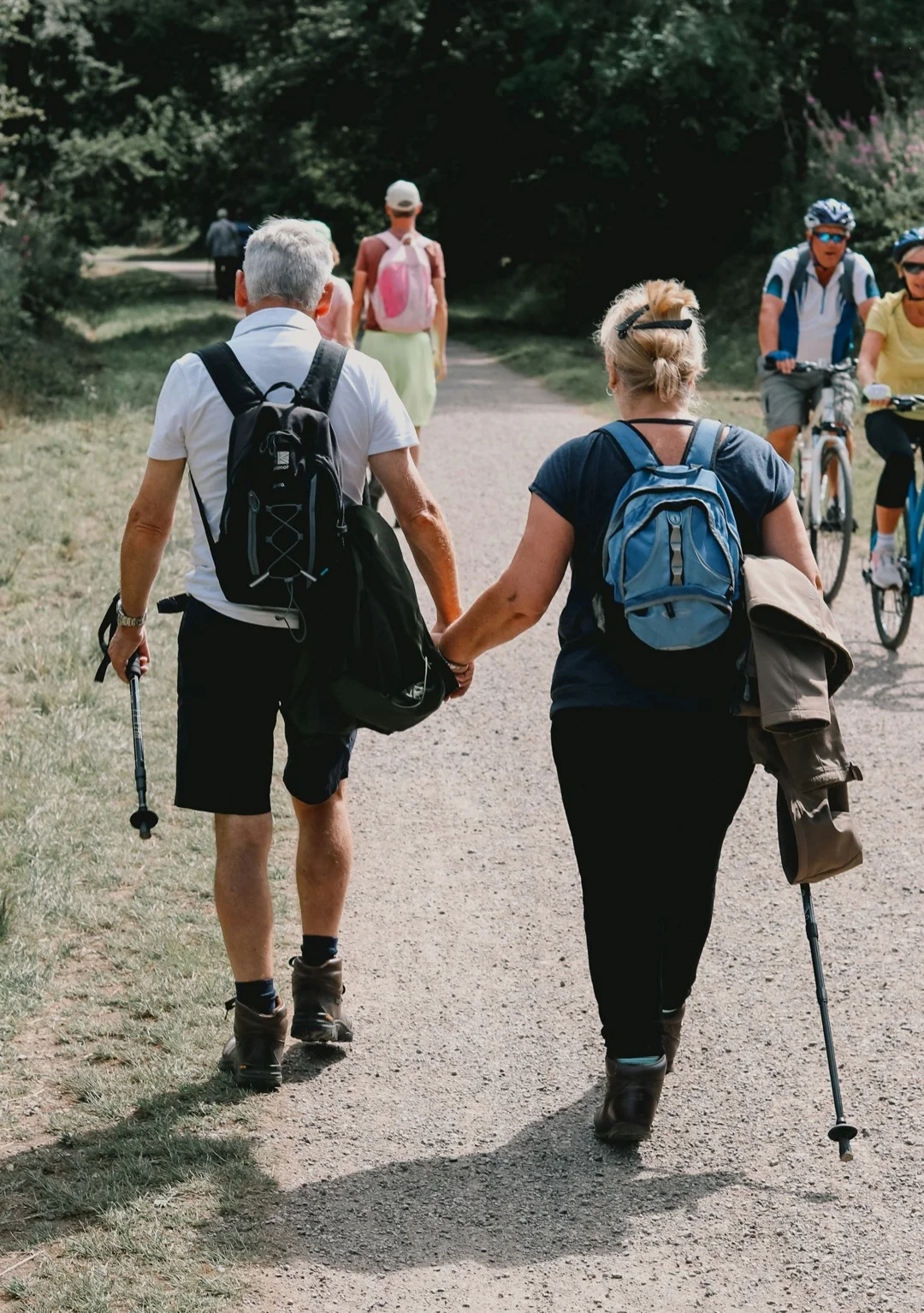
Concussion recovery is usually a gradual, symptom-guided process rather than one fixed protocol for everyone. After a suspected concussion, seek medical assessment first, then follow advice about rest, activity, school, work, exercise, and sport. Emergency care is appropriate for worsening or severe symptoms.
Once medical assessment has taken place, concussion management physiotherapy may support a carefully paced return to daily life. The right plan depends on symptoms, age, daily demands, and how your body responds as activity increases.
Quick summary

- Use relative rest for the first 24 to 48 hours, rather than complete inactivity.
- Resume ordinary activities gradually and reduce the load if symptoms worsen.
- Progress exercise in stages. Athletes should be symptom-free for 24 hours at one level before advancing.
- Children, students, workers, and athletes may need different modifications.
- Seek professional support when dizziness, balance problems, neck symptoms, or activity intolerance make progress difficult.
What concussion recovery protocols actually mean
The phrase “concussion recovery protocols” describes a structured approach to returning to normal activities safely. It does not refer to one single Alberta protocol or guarantee a particular recovery timeline. Recovery varies, and children and youth typically take longer than adults, although individual recovery times differ. Canadian concussion guidance emphasizes that a doctor should monitor symptoms and advise when it is appropriate to resume activities.
For broader information about how concussion can overlap with dizziness, balance, neck, and jaw-related concerns, review this concussion and dizziness guidance. It is educational information, not a substitute for individual medical assessment.
The main stages of concussion recovery

These stages are not a self-clearance system. They provide a general framework for following medical advice and noticing whether your current activity level is manageable.
| Stage | Main goal | When to slow down |
|---|---|---|
| Medical assessment | Confirm next steps and identify safety concerns. | Symptoms are severe or worsening. |
| First 24 to 48 hours | Use relative rest and reduce physical and cognitive demands. | Ordinary tasks noticeably increase symptoms. |
| Daily activity | Return gradually to basic routines and light movement. | Symptoms worsen or remain elevated. |
| Exercise progression | Build tolerance through increasingly demanding activity. | The current level causes a meaningful symptom increase. |
| School, work, or sport | Resume specific demands with suitable modifications. | You cannot manage the demands without significant symptoms. |
1. Start with medical assessment and safety
If you suspect a concussion, arrange medical assessment before beginning a rehabilitation plan. A physiotherapist can support recovery, but physiotherapy does not replace medical assessment, emergency care, or individualized clearance for sport, work, school, or driving.
Physio 1 Airdrie advises people with a head injury to seek medical assessment first and emergency care for worsening or severe symptoms. If symptoms change significantly or you are unsure whether your current plan is safe, contact an appropriate healthcare professional rather than pushing through.
2. Use relative rest for the first 24 to 48 hours
Relative rest means reducing activities that aggravate symptoms while allowing gentle, necessary routines as tolerated. Alberta guidance recommends relative rest during the first 24 to 48 hours, followed by a gradual return to usual routines. This differs from staying in bed, avoiding all light, or isolating yourself indefinitely.
Reduce demanding physical activity and tasks requiring prolonged concentration if they worsen symptoms. Keep your routine simple, allow quiet breaks, and do not treat temporary symptom relief as proof that you are ready for strenuous exercise.
3. Resume daily activity gradually
After the initial rest period, begin with manageable activities such as short periods of ordinary movement, light household tasks, or brief cognitive work. Alberta guidance suggests starting slowly, using short periods of activity, and adding a little more over time while resting between activities.
Change one variable at a time. You might increase the length of a walk, add a short period of reading, or extend a work task before combining several new demands. If symptoms worsen, reduce the intensity, duration, or frequency and give yourself more time before trying again.
4. Progress through exercise carefully
Once light daily activity is tolerated, exercise can usually be reintroduced gradually under appropriate guidance. Light aerobic activity such as walking, biking, or swimming may be an early step. If symptoms worsen, slow down and allow more recovery time.
For sport, progression should move from limited activity to light aerobic exercise, sport-specific exercise, non-contact training, full-contact practice, and finally return to play. An athlete should be symptom-free for 24 hours at the current level before moving to the next one. This progression should not be rushed because a competition is approaching.
How recovery changes for school, work, and sport
Students
Returning to school does not always mean immediately completing a full day with a normal workload. A student may need shorter class periods, breaks, reduced screen exposure, fewer assignments, or a slower increase in cognitive demands. Coordinate changes with the school and healthcare team.
Workers
A gradual return to work may involve shorter days, quieter duties, planned breaks, or working every other day. The plan should reflect actual job demands, including screen time, lifting, driving, noise, balance, and decision-making.
Athletes
Athletes should progress through exercise and sport-specific demands rather than testing themselves with a full practice. Contact, speed, complex movement, and competition should come only after earlier stages are tolerated and required medical guidance has been obtained.
Children and teens: what parents should know
Children and youth may recover more slowly than adults, so an adult timeline should not be used as a target. Parents can track symptoms, sleep, school tolerance, physical activity, and emotional response without turning every symptom into a reason for complete inactivity.
Return to school and return to sport are separate decisions. A child may manage some classroom activity before being ready for sports training. Share relevant changes with the child’s physician, school, coach, and rehabilitation provider.
Where concussion management physiotherapy may help
After medical assessment, physiotherapy may be useful when symptoms interfere with movement or a gradual return to activity. At Physio 1 Airdrie, a concussion-related assessment may consider symptoms, balance, neck function, and tolerance to activity.
Depending on the assessment, care may include graduated return-to-activity planning, balance and vestibular exercises, neck-related treatment, and education for patients and families. Treatment is guided by how you respond and works alongside advice from your physician.
What to prepare before a concussion physiotherapy appointment
- When and how the injury occurred.
- Your current symptoms and what makes them better or worse.
- How much walking, screen time, reading, exercise, or work you tolerate.
- Medical instructions, restrictions, or follow-up recommendations.
- Your school, job, sport, or caregiving demands.
- Questions about pacing, dizziness, balance, neck symptoms, exercise, and next steps.
A practical concussion recovery checklist
- Arrange medical assessment after a suspected concussion.
- Follow emergency advice for worsening or severe symptoms.
- Use relative rest for the first 24 to 48 hours.
- Restart ordinary activities in short, manageable amounts.
- Monitor symptoms during and after activity.
- Reduce the load if symptoms worsen or remain elevated.
- Progress light exercise before more demanding training.
- Use separate, modified plans for school, work, and sport.
- Seek rehabilitation support if dizziness, balance, neck symptoms, or activity intolerance make progress difficult.
Frequently asked questions
Do I need medical assessment before starting concussion physiotherapy?
Yes. Suspected concussion should be medically assessed first. Physiotherapy may complement physician guidance, but it does not replace medical assessment or emergency care.
What should I do if symptoms worsen during recovery?
Stop or reduce the activity that caused the increase and follow your healthcare professional’s advice. Worsening or severe symptoms require emergency care.
How soon can I exercise after a concussion?
Relative rest is generally recommended for the first 24 to 48 hours, followed by gradual activity as tolerated. Light aerobic activity may be an early step, but the pace should be adjusted if symptoms worsen.
How should students return to school?
Students should return gradually, often with shorter periods of work, breaks, and temporary workload adjustments. Coordinate the plan with the school and healthcare team.
When can an athlete return to sport?
An athlete should progress through increasingly demanding stages and be symptom-free for 24 hours at the current level before advancing. Medical guidance is important before full-contact practice or competition.
Can physiotherapy help with dizziness, balance problems, or neck symptoms?
It may. Assessment can consider balance, vestibular symptoms, neck function, and activity tolerance. Appropriate balance, vestibular, or neck-related care may form part of a broader recovery plan.
Conclusion: Make recovery gradual, measured, and supported
Concussion recovery protocols are best understood as a gradual return to activity guided by symptoms and medical advice. Start with assessment and relative rest, rebuild ordinary routines slowly, and progress exercise, school, work, or sport only as your tolerance allows.
If dizziness, balance problems, neck symptoms, or difficulty increasing activity are holding back recovery, professional assessment may clarify the next step. For local concussion management physiotherapy in Airdrie, Physio 1 Airdrie Sports Injury & Wellness Clinic provides assessment-led support at 1117 - 403 Mackenzie Way SW.
This article is educational and does not replace an assessment, diagnosis or advice from a qualified healthcare professional.